Effects of Opiates
Psychological Effects of Opiates
Like other depressants, opiates produce a tranquil and euphoric effect. Users who inject an opiate such as heroin may also experience a "rush" as the drug circulates through the body. Some users combine opiates with a stimulant such as cocaine. This is called "speed balling." The stimulant keeps the user from falling asleep; the opiate reduces the hyperactive effects often caused by stimulants.
Psychological dependence is probable with continued use of opiates. When a user becomes dependent, finding and using the drug becomes the main focus of life. Opiates induce tolerance: the need for more of the drug in order to produce the same effects.
Physical Effects of Opiate Use
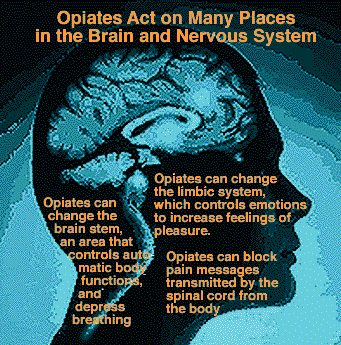
The physical effects of opiates depend on the opiate used, its source, the dose and the method used. Opiates slow breathing, heart rate and brain activity. Opiates depress appetite, thirst and sexual desire. The body's tolerance to pain is increased. Potential contamination, using opiates in combination with other drugs, and using un-sterile needles all increase the danger of opiates. Use of UN-sterile needles can lead to hepatitis, tetanus or AIDS.
Regular opiate users who abruptly stop using the drug experience withdrawal symptoms four to six hours following the last dose. Symptoms include uneasiness, diarrhea, abdominal cramps, chills, sweating, nausea, runny nose and eyes, irritability, weakness, tremors and insomnia. The intensity of these symptoms depends on how much of the drug was taken, how often and for how long. These symptoms are usually strongest 24 to 72 hours after onset and can persist for seven to 10 days.
Sometimes sleeplessness and craving for the drug can last for several months.
Opiates are harmful to a developing fetus. Pregnant women who are dependent on opiates have a higher risk for spontaneous abortions, breech deliveries, premature births and stillbirths. Babies born to opiate-addicted mothers often have withdrawal symptoms similar to adults. These symptoms may last several weeks or months. Researchers have also found an increased risk of Sudden Infant Death Syndrome (SIDS) among babies born to heroin-addicted mothers.
Signs and Symptoms of Opiate Use
The following are signs and symptoms often associated with opiate use:
- Lethargy, drowsiness
- Constricted pupils and reduced vision
- Shallow breathing
- Needle or track marks on inner arms or other parts of the body from injecting needles
- Redness and raw nostrils from sniffing heroin
- Excessive perspiration, shaking, vomiting, chills or other withdrawal symptoms
- Use or possession of paraphernalia including syringes, bent spoons, bottle caps, eye droppers, rubber tubing, cotton and needles.